With more and more appointments happening online, we've put together some tips on how to get the most out of the virtual health and care appointments both for patients and health and care professionals.
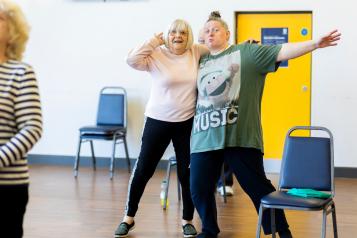
Around one in five GP visits are for non-medical problems. Many things that affect our health can’t be treated by doctors or medicine alone. This includes loneliness, money problems, housing, education or employment status. NHS social prescribing link workers can connect you to the right community groups and services to help support you.

Seasonal Affective Disorder (SAD) is a type of depression triggered by seasonal changes. One in twenty people in the UK are diagnosed with the condition, with men more likely to be diagnosed with SAD than women.
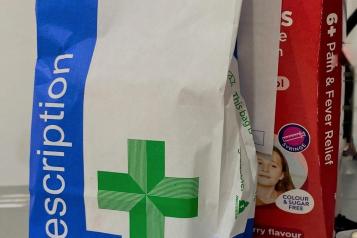
The cost-of-living crisis is putting many people under financial strain, and prescription costs are more than some people can afford to pay. Find out what help is available to help you cover the cost of your medication.
Pregnancy and trying to conceive can be a challenging, intense and daunting time. It's not all plain sailing, and women can feel particularly vulnerable during this time. Many women experience mental health difficulties, when trying to conceive, during pregnancy, and after the birth.
Mental health problems are more common among lesbian, gay, bisexual, transgender, queer, intersex and asexual (LGBTQIA+) people. If you are struggling, feel alone or need a little help, then check out our guide on how you can get the support you need.
Sometimes when you’re trying to get the care you need, you may have questions about how services are run. We’ve put together some information about what goes on ‘behind the scenes’ which will hopefully answer some of those questions.
A lot of the language used when talking about the NHS, and health and care services, can be difficult to understand. Too many acronyms and not enough plain English can leave all of us feeling very confused.