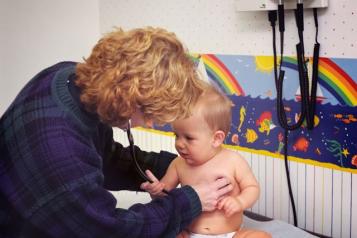
Why we all need to be part of medical research

Milton Keynes is one of the most diverse and fast‑growing areas in the UK. Like many towns and cities across England, people here come from many different backgrounds, cultures, and communities.
However, health research doesn’t reflect that diversity. New medicines, treatments, and our understanding of health issues, has been based on a very limited sample of the population. This means that the care that people receive can become less accurate, less fair, and less trusted.
Representation in health research is making sure the evidence behind diagnosis, treatment, and medical training genuinely works for everyone.
There are different types of health research:
Health research
Sometimes health research studies may be referred to as ‘clinical trials’. They usually compare the effects of a treatment with another to see which works best. They may involve patients (people with particular health conditions), people who are unaffected by the condition, or both.
Public health research
Public health research tackles some of the bigger health issues that affect society as a whole. For example, the impact of eating less junk food or how many steps a day are needed for good health. It also looks at the benefits, costs, acceptability and wider impact of treatments.
Social care research
Social care research is about improving the lives of people who receive care and support from social care services. It focuses on the evidence needed to improve people’s wellbeing and independence, protect human rights and promote equality.
Studies could be about exploring the impact of new technology in care environments. Or changing social care policies and practice.
When research isn’t inclusive, old assumptions can shape care
Some long‑standing myths about biological 'differences' between ethnic groups still appear in parts of medical training. These ideas have no scientific basis, but they can influence how symptoms are interpreted and how pain is assessed. This can mean a patient's concerns aren’t always recognised or taken seriously.
Local residents tell us they want health care that reflects their individual identity and needs. For example, how their symptoms present, their biological sex, gender, how their skin looks, and how their cultural background shapes their health needs.
When research includes a wider range of people, the guidance used by GPs, nurses, and specialists becomes more accurate for everyone.
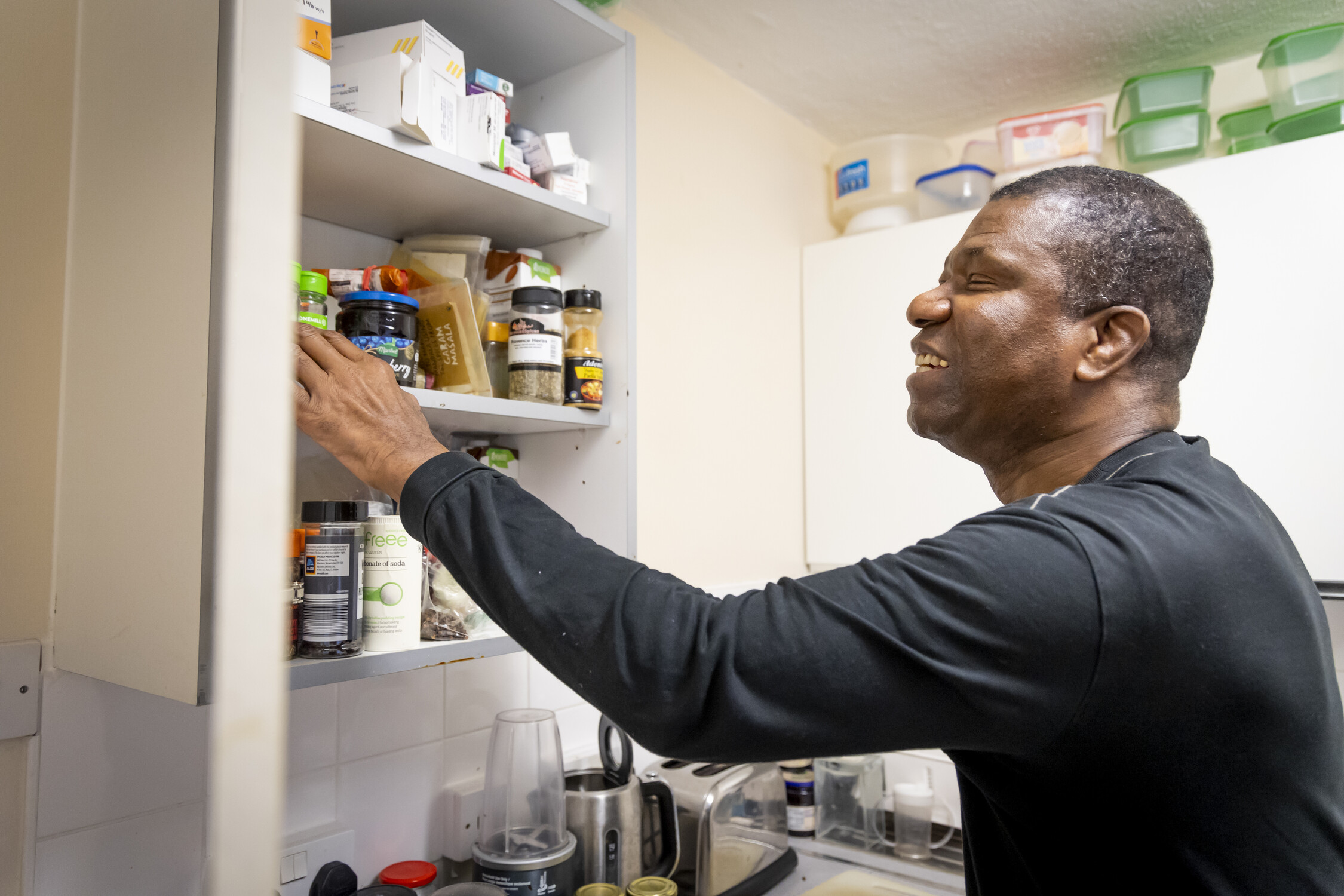
Case study: dermatology
Dermatology shows how gaps in research affect real people.
Skin conditions such as eczema, psoriasis, and skin cancer can look different on darker skin tones. Yet for many years, medical textbooks and training materials showed almost exclusively white skin. This meant that symptoms on darker skin were often missed or diagnosed later.
Students and clinicians across the UK, including those training and working in our region, have pushed for change. Medical schools and regulators have committed to diversifying teaching materials, challenging outdated assumptions, and ensuring that images of different skin tones are included in training.
This change helps clinicians recognise conditions earlier and more accurately for people across all our communities.
Image: Ageing without limits
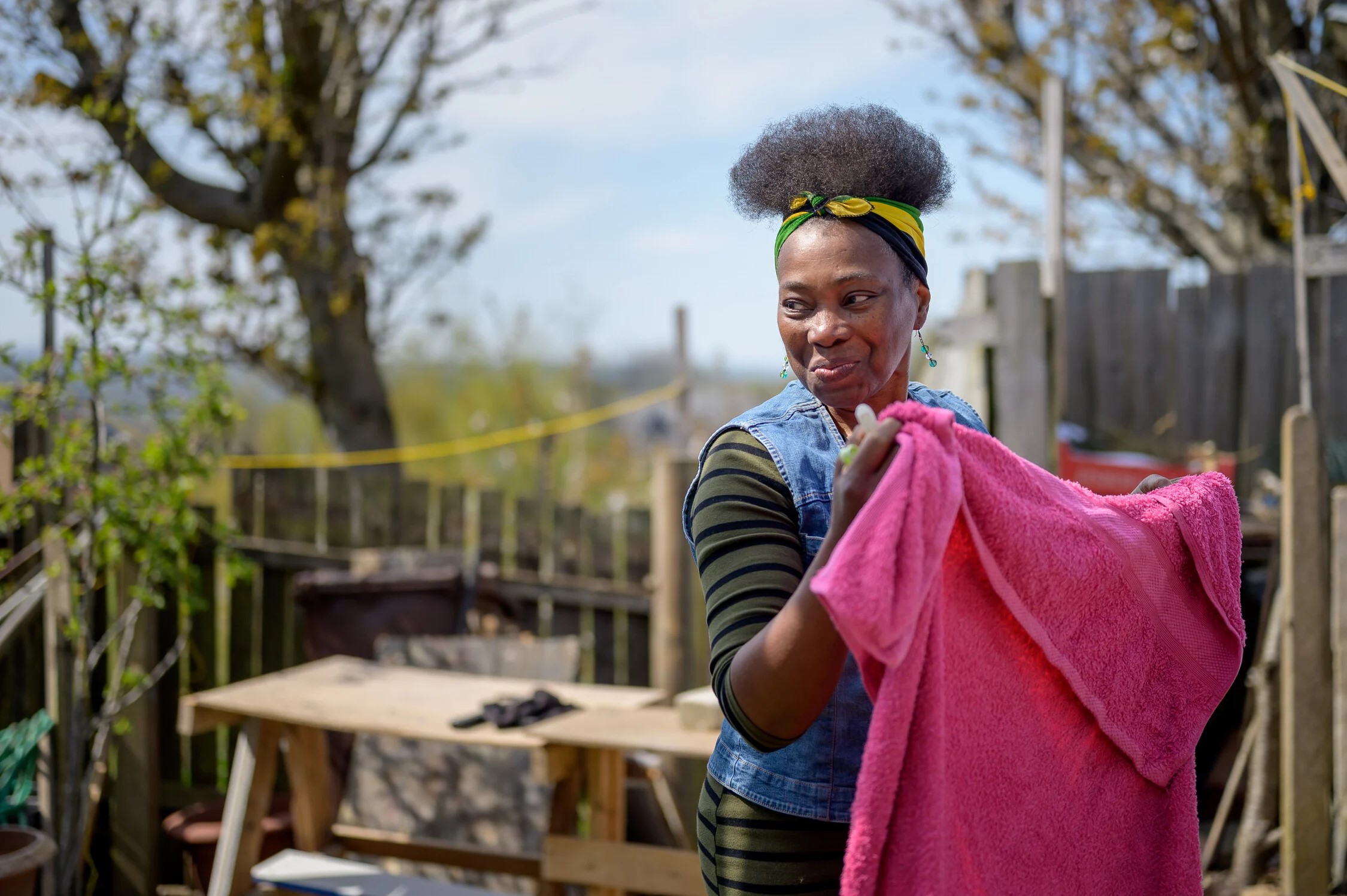
Case study: Prosthetics
In 2019, we reported on the experience of a Black woman who had had a mastectomy. She received a white prosthetic breast because no alternatives were available. This was picked up by local news and we put the patient in touch with some national charities and campaign groups who have highlighted this longstanding inequity.
While skin‑tone‑matched prosthetics are available on the NHS, they are routinely offered by only a few Trusts (eg., Royal Marsden, Sandwell & West Birmingham). Thanks to advocacy and raising awareness of the issue visibility, this is slowly changing.
Image: Ageing without limits
Why women's experiences are important for research
Women in Milton Keynes often tell us they feel their symptoms are dismissed or attributed to stress rather than investigated properly. These experiences reflect wider gaps in how women’s health has been researched and taught.
For decades, clinical trials for medicines were only based on men. Women were excluded because of:
- the assumption that men’s responses applied universally,
- misplaced fears about hormone 'complexity',
- concerns over pregnancy risk.
As a result, conditions such as heart disease, ADHD, autism, and chronic pain often present differently in women. However, those differences weren’t always recognised in training or guidance.
Did you know that women's period products only began being tested with actual blood in 2023? A study published in BMJ Sexual & Reproductive Health was the first to use red blood cells to measure absorbency, replacing the industry standard of using water or saline.
Nationally, and locally, women describe:
- long waits for diagnosis of conditions like endometriosis or perimenopause.
- feeling they have to “push” to be taken seriously.
- not seeing their experiences reflected in health information or images.
Better representation in research helps ensure that the healthcare women receive is more accurate, timely, and respectful.
What is this important for patients?
When research reflects the full diversity of our city, the care delivered becomes:
- more trustworthy, because care is based on real experiences from all communities.
- more accurate, because symptoms are recognised across different bodies and skin tones.
- more timely, because clinicians have better evidence to work from.
- more respectful, because people feel seen and understood.
Inclusive research isn’t just about who takes part in studies. It’s about building a healthcare system where everyone is represented, and where the evidence behind health care is relevant to the whole population, not just a small percentage.
Ready to get involved in health research?
Medical research shapes the quality of our lives, but it can only protect us if it represents us. Your participation helps to fills gaps, correct false and unfounded beliefs, and ensures that medical treatments and medicines work for everyone.
To find out more about national health research, or if you'd like to participate in research studies, go to the National Institute for Health and Care Research (NIHR) Be Part of Research website.